What Is a VPN? Everything You Need to Know
In our increasingly hyper-connected digital landscape, keeping your private data safe from prying eyes has never been more critical. Whether you are working remotely from a bustling coffee shop, streaming international content, or simply browsing the web at home, online security threats continue to evolve. Enter the Virtual Private Network, commonly known as a VPN. But what exactly is a VPN, how does it work in 2026, and why do you need one?
This comprehensive guide explores the core mechanics of VPN technology, evaluates its modern use cases, and provides actionable advice on selecting the right service for your privacy and performance needs.
—
Understanding the Basics: What Is a VPN?
At its foundational level, a Virtual Private Network is a cybersecurity tool that creates a secure, encrypted connection between your device and the internet. When you connect to the web without a VPN, your internet service provider (ISP) routes your traffic. This means your ISP, network administrators, and malicious actors can potentially monitor your browsing habits, record your IP address, and see the websites you visit.
A VPN acts as a secure tunnel. It reroutes your internet traffic through a specially configured remote server operated by the VPN provider. Consequently, your real IP address is hidden, and your data is scrambled using advanced encryption algorithms.
How VPN Encryption Works
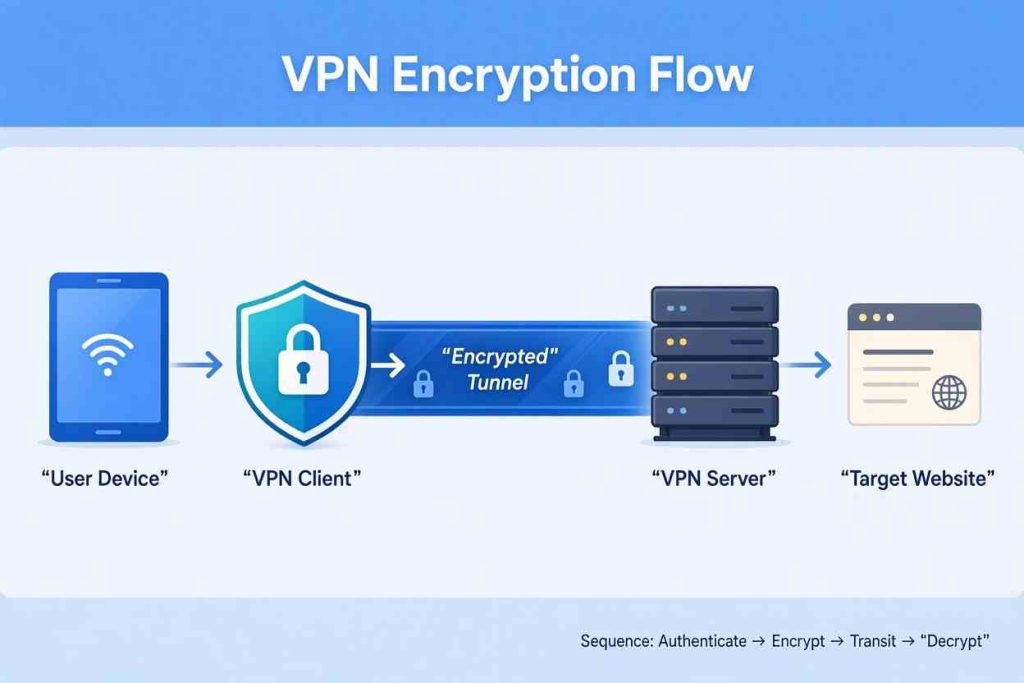
Modern VPNs rely on sophisticated cryptographic protocols to safeguard data packets in transit. Here is a brief overview of how the process unfolds:
1. Initiation: You launch the VPN app on your device and select a server location. 2. Handshake: Your device establishes a secure connection with the VPN server using a trusted protocol like WireGuard or OpenVPN. 3. Encapsulation & Encryption: Your data is wrapped in an outer packet and encrypted, rendering it unreadable to anyone intercepting the transmission. 4. Destination: The VPN server decrypts your traffic and forwards it to the target website or service on the open internet.
—
Why You Need a VPN Today
The digital environment brings unique challenges, ranging from advanced tracking algorithms to widespread public Wi-Fi vulnerabilities. Here are the primary reasons individuals and enterprises rely on VPNs today:
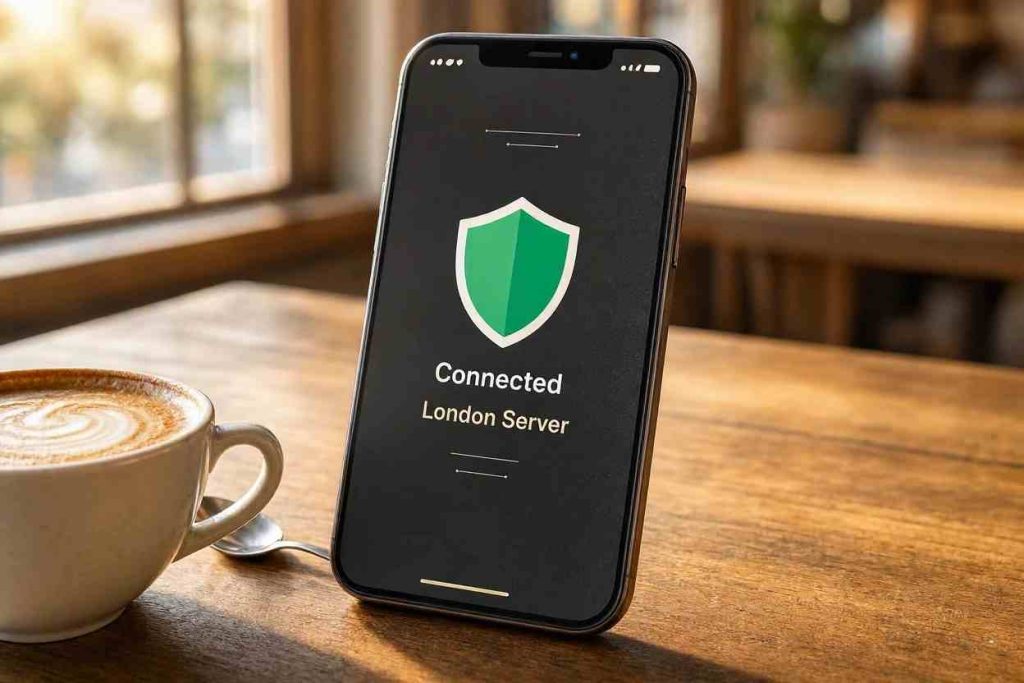
- Enhanced Privacy on Public Wi-Fi: Airports, hotels, and cafes offer convenient hotspots, but unsecured networks are prime breeding grounds for cybercriminals looking to intercept login credentials and personal data.
- IP Masking and Anonymity: By masking your true IP address, a VPN prevents third-party trackers from building detailed behavioral profiles based on your geographic location and browsing history.
- Bypassing Geo-Restrictions: Many streaming platforms, news sites, and digital services restrict content based on your physical region. A VPN lets you connect to a server in an allowed region to access desired content seamlessly.
- Secure Remote Work: With hybrid work models firmly entrenched, corporate networks utilize business VPNs to ensure employees can access sensitive internal resources securely from anywhere in the world.
| Feature | Without a VPN | With a VPN | Benefit |
|---|---|---|---|
| IP Address | Exposed to visited sites | Masked by VPN server | Enhanced anonymity |
| Public Wi-Fi | Vulnerable to packet sniffing | Fully encrypted tunnel | Data protection |
| ISP Throttling | Visible activity leading to speed caps | Hidden activity | Consistent speeds |
| Geo-Access | Limited to current location | Virtual relocation | Global content access |
—
Key Factors to Consider When Choosing a VPN
With hundreds of VPN services available on the market, selecting the right one requires careful evaluation. Not all providers offer the same level of security, speed, and transparency.
1. Strict No-Logs Policy
The most important attribute of a reliable VPN is a verifiable no-logs policy. This means the provider does not track, store, or share your browsing history, connection timestamps, or downloaded files. Independent third-party audits provide the best proof of a provider's commitment to privacy.
2. Connection Speeds and Protocol Support
Encryption inherently introduces a slight overhead that can slow down your internet connection. Modern protocols like WireGuard minimize this latency, ensuring smooth 4K streaming and responsive gaming experiences.
3. Server Network Size and Distribution
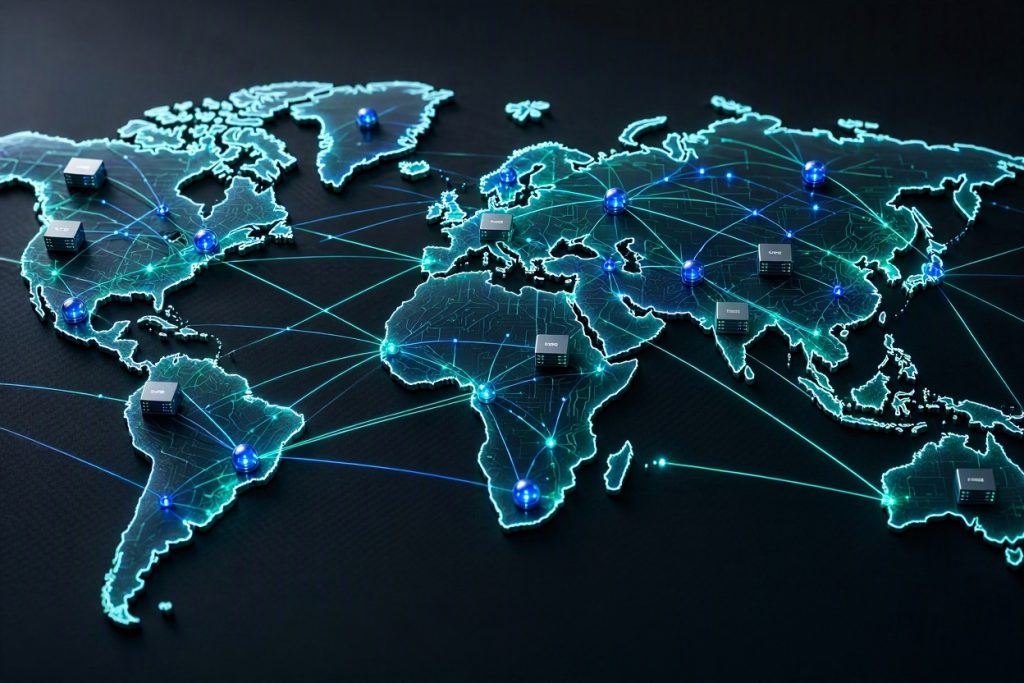
A diverse global server network ensures you can easily find low-latency connections nearby or bypass regional blocks effectively.
—
Common Misconceptions About VPNs
Despite their widespread adoption, several myths persist regarding what a VPN can and cannot do.
- Myth 1: A VPN makes you 100% anonymous online. While a VPN masks your IP address and encrypts your traffic, it does not stop browser fingerprinting, malware infections, or cookies used by websites you log into.
- Myth 2: Free VPNs are just as good as paid ones. Maintaining high-speed servers and robust security requires substantial resources. Free VPNs often monetize your data by logging and selling your browsing history or bombarding you with intrusive ads.

—
Final Thoughts
A Virtual Private Network is an indispensable tool for anyone seeking to reclaim their digital privacy and secure their internet connection. By understanding how encryption works and choosing a reputable, audited provider, you can navigate the digital world with confidence and peace of mind.