The Next Decade of Enterprise VPN Technologies: WireGuard, Post-Quantum, and AI
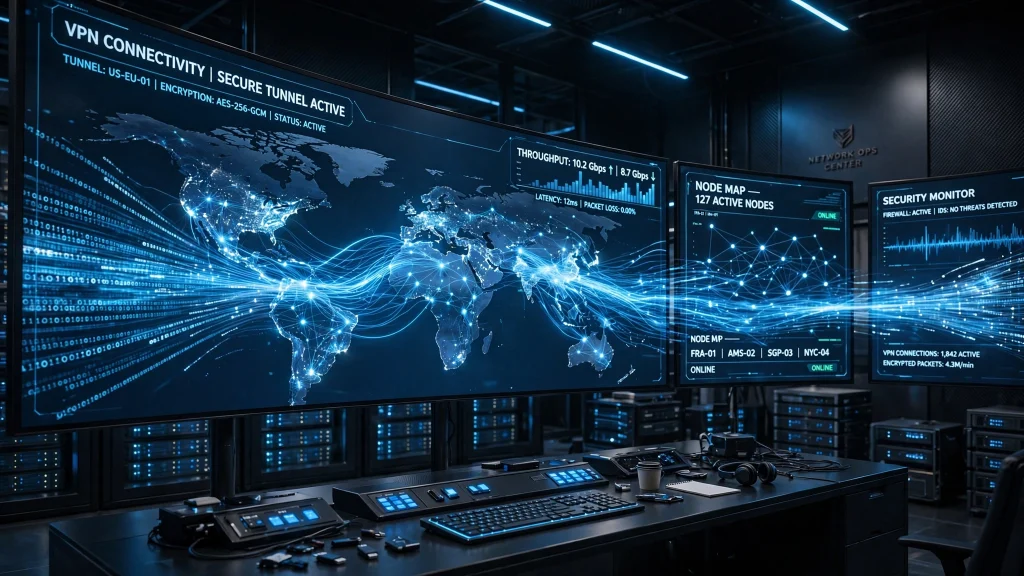
Virtual Private Networks have undergone a profound evolution, transforming from sluggish, complex enterprise tunnels into agile, high-speed security fabrics. As remote work establishes itself as a permanent fixture of the global economy, cloud infrastructure dominates corporate IT, and cyber threats grow increasingly sophisticated, traditional protocols like IPsec and OpenVPN are being phased out. The coming decade will define an entirely new era of secure networking driven by WireGuard’s lean architectural footprint, post-quantum cryptography readiness, and AI-driven automation at the edge.
The Rise of WireGuard and Ultra-Fast Reconnects
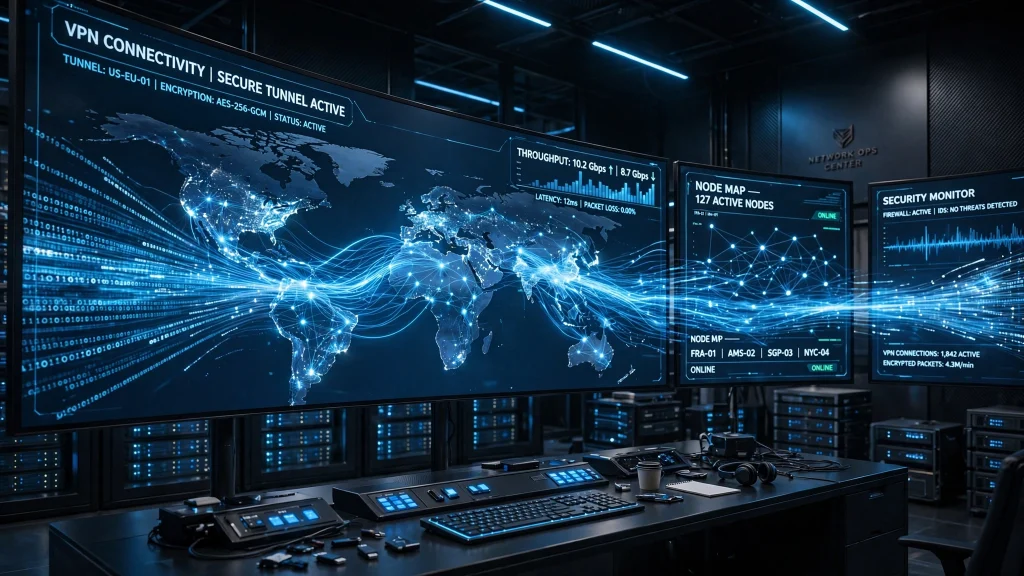
For decades, enterprise remote access suffered from heavy codebases, sluggish cryptographic handshakes, and poor mobile roaming capabilities. Users frequently experienced dropped connections when transitioning between Wi-Fi networks and cellular data towers, leading to frustrating productivity bottlenecks. WireGuard revolutionized this space by stripping away legacy bloat and implementing a modern, mathematically rigorous protocol design.
Consisting of just a few thousand lines of code, WireGuard operates directly inside the Linux kernel, offering unprecedented throughput speeds and a minimal attack surface. Its core advantages include:
- Blazing Fast Handshakes: Minimal cryptography overhead ensures near-instantaneous connection establishment without perceptible lag.
- Seamless Roaming: Modern mobile workforces switch between networks smoothly without dropping secure tunnels or requiring manual re-authentication.
- Low Battery Impact: Lightweight processing preserves device battery life on smartphones, tablets, and remote edge endpoints.
| Protocol | Codebase Size | Primary Cryptography | Roaming Capability | Performance Overhead |
|---|---|---|---|---|
| IPsec / IKEv2 | Massive (~400k+ lines) | AES, RSA, Diffie-Hellman | Complex / Difficult | High |
| OpenVPN | Large (~70k+ lines) | OpenSSL-dependent | Moderate (User-space) | Moderate to High |
| WireGuard | Minimal (~4,000 lines) | ChaCha20, Curve25519 | Native / Seamless | Extremely Low |
Preparing for the Post-Quantum Cryptography Era
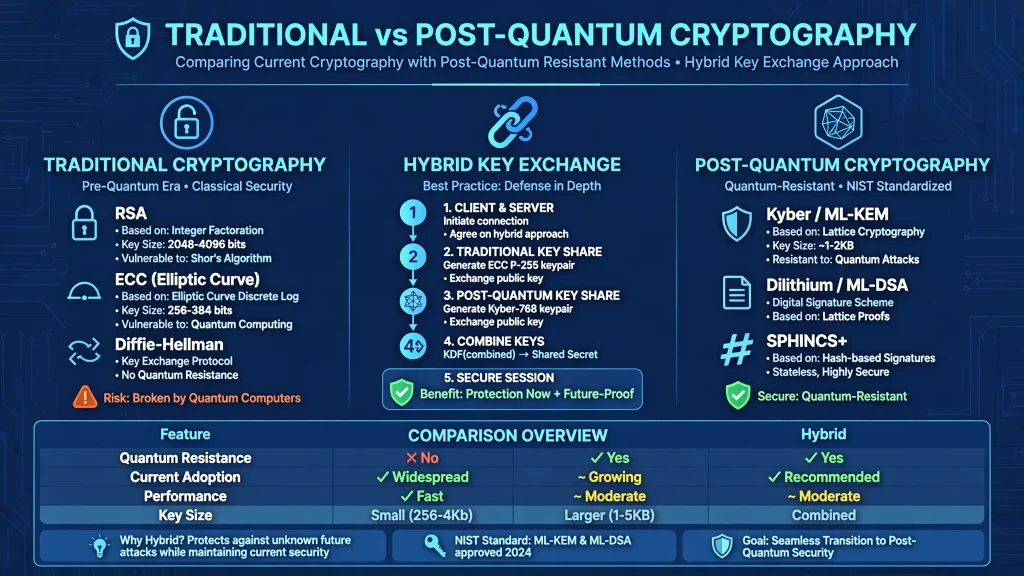
While modern encryption algorithms such as RSA and Elliptic-Curve Cryptography keep data safe today, the advent of quantum computing threatens to break them entirely. Shor's algorithm, executed on a sufficiently powerful quantum computer, possesses the mathematical capability to solve discrete logarithms and factor large integers exponentially faster than classical computers. This poses an existential risk to encrypted data intercepted today and stored for decryption tomorrow—a threat vector known as "harvest now, decrypt later."
VPN providers and enterprise infrastructure architects are actively racing to integrate post-quantum cryptography (PQC) readiness into their tunnel stacks. By combining traditional elliptic-curve algorithms with quantum-resistant key exchange mechanisms, next-generation VPN solutions ensure long-term data confidentiality against future quantum adversaries.
AI-Assisted Threat Detection at the Edge
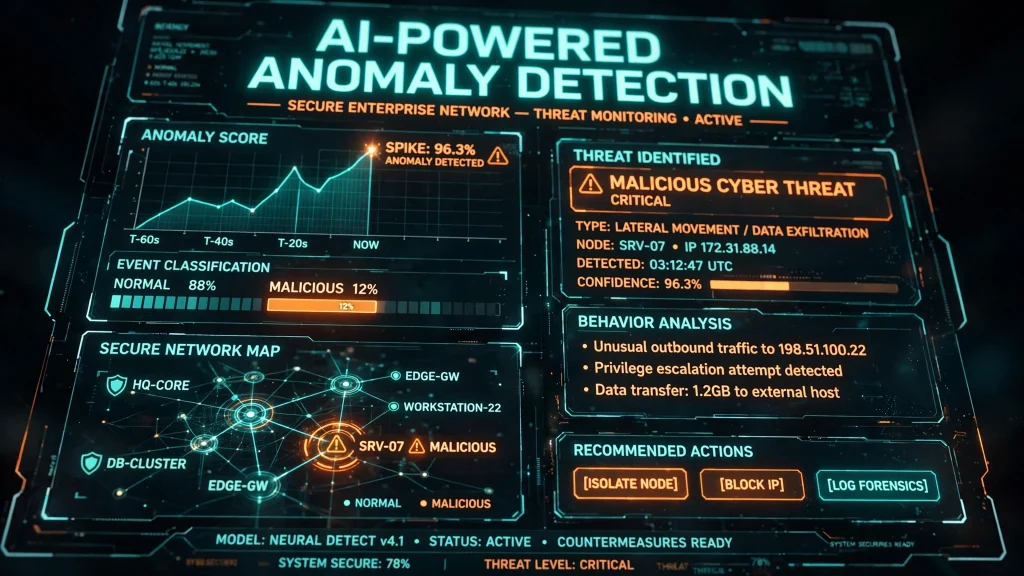
Static firewalls and traditional signature-based detection mechanisms can no longer keep pace with zero-day exploits, polymorphic malware, and dynamic insider threats. The modern VPN gateway has evolved from a simple packet forwarder into an intelligent enforcement point that embeds artificial intelligence directly into the secure data path.
- Behavioral Baseline Analysis: Advanced machine learning models continuously monitor normal traffic patterns, protocol deviations, and user habits to spot anomalies instantly.
- Automated Isolation: When suspicious activity is detected, compromised endpoints can be automatically isolated from the broader network before lateral movement occurs.
- Adaptive Authentication: Risk scores change dynamically based on real-time user behavior, device health posture, and geographic location.
Integrating VPNs into SASE and Zero-Trust Architectures
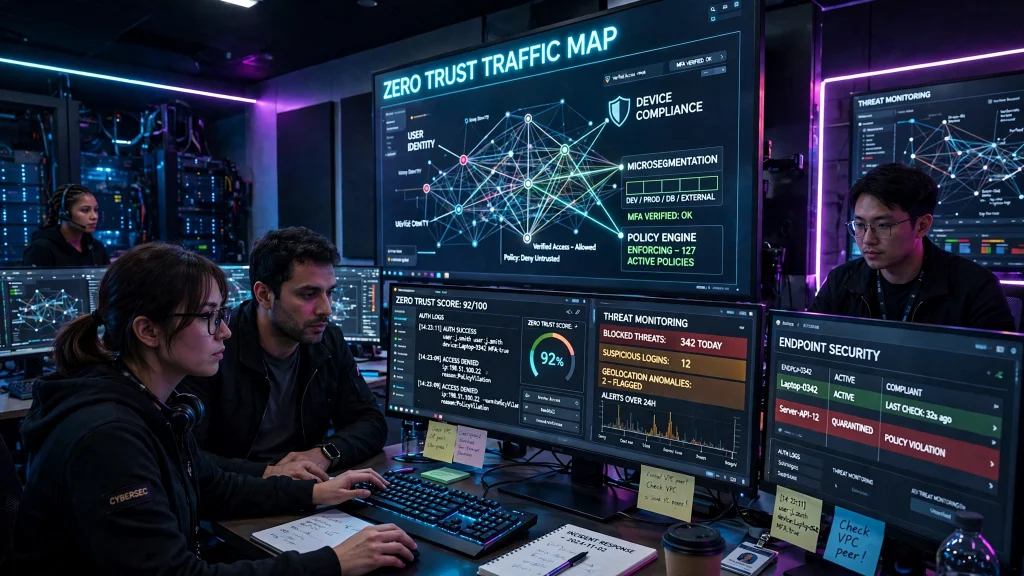
The traditional perimeter-based security model is obsolete. Organizations can no longer trust an entire internal network simply because a user successfully authenticates at the perimeter. Instead, Secure Access Service Edge (SASE) and Zero Trust Network Access (ZTNA) frameworks treat every connection as untrusted by default, requiring continuous verification regardless of user location.
Next-generation VPN technologies serve as foundational building blocks for these broader architectures. Rather than granting broad, unrestricted network access upon connection, modern tunnels connect users exclusively to authorized micro-segmented applications. Identity verification, device compliance checks, and continuous policy enforcement occur in real-time, bridging traditional remote access with cloud-native security frameworks.
Conclusion
The next ten years will cement the industry-wide transition from bulky legacy VPN tunnels to agile, intelligent, and quantum-resistant network fabrics. By embracing WireGuard's incredible efficiency, preparing robust post-quantum cryptographic standards, and leveraging AI-driven threat detection within a zero-trust paradigm, organizations can secure their digital assets against the evolving threat landscape of tomorrow.